
An advocate carrying a bundle of tied case files

The FSL report your client is being convicted on. Have you read beyond the conclusion?

Forensic reports carry method gaps, missing disclosures and conclusions the data does not support. They go unchallenged because the defence has had no scientist of its own.

You are not outprepared. You are outresourced.

An FSL report reaches court as a conclusion, and the scientist who signed it has the raw data behind it. Defence counsel is trained in law, not laboratory method, so the defence has no way to tell whether the examination used the right method and procedure for the exhibit received.
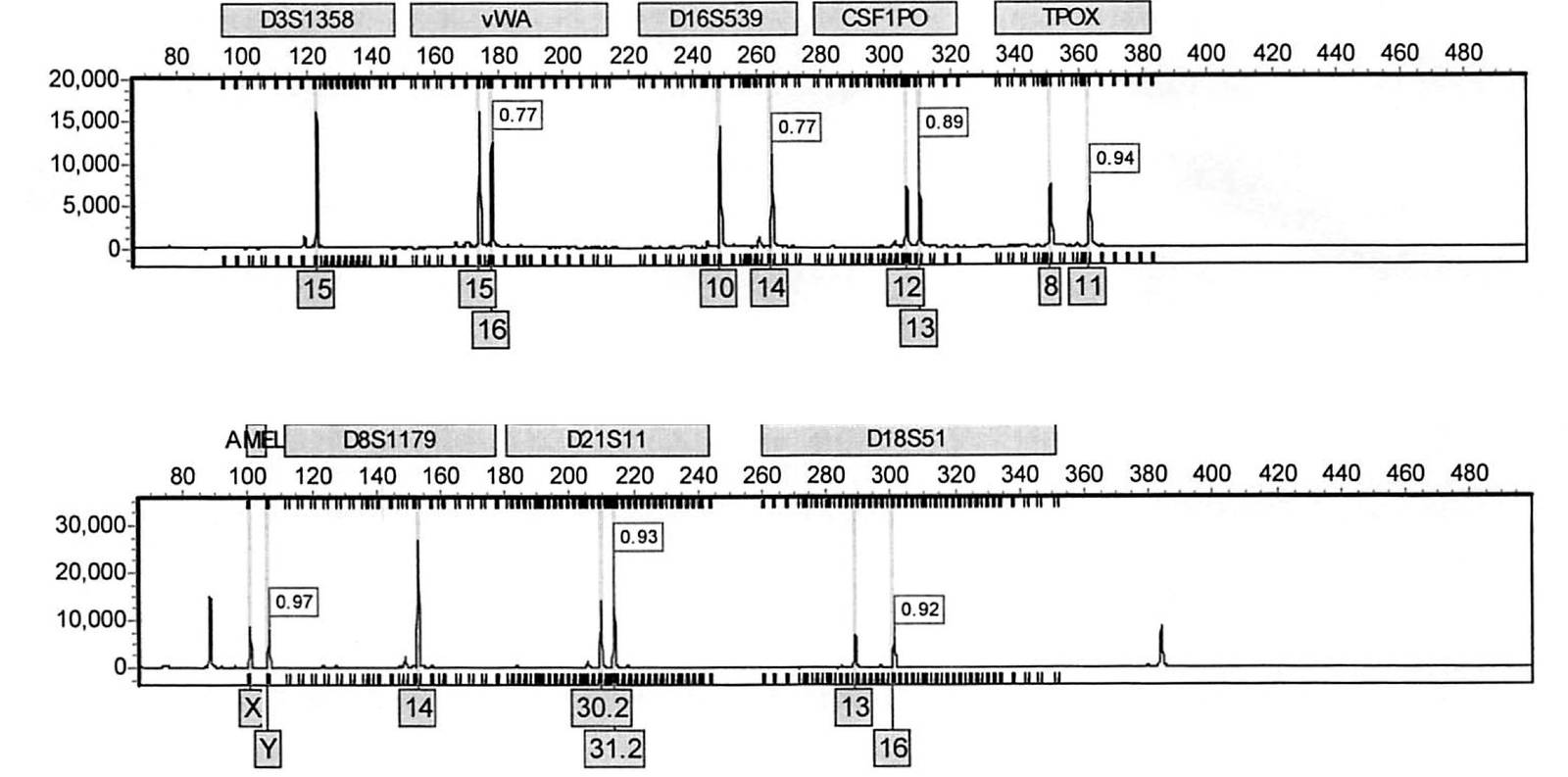
A forensic examination can leave room for error: contamination, carry-over, a degraded sample, a method that does not fit the exhibit. That has to be checked. Without a scientist of its own, the defence can only take the prosecution’s word for it.

Where forensic reports go wrong.

A forensic report passes through many hands and many steps before it reaches court. Each one is a place where the science can slip, and where the report deserves a second reading by a scientist.

Chain of Custody

The exhibit changes hands between seizure, the malkhana and the laboratory with gaps in the record, so no one can show that what was tested is what was seized.

Storage and Transport

Samples sit in heat or in the wrong container, or reach the laboratory weeks late, and degrade before anyone examines them.

Fit to be Examined

A sample too small, degraded or contaminated to give a reliable result is tested anyway, and the report never says so.

Methodology

The laboratory uses a method that was never validated for this kind of exhibit, or that cannot answer the question the court is asking.

Laboratory Procedure

Controls are missing, instruments are out of calibration, or steps at the bench are skipped, and the result carries those errors forward.

Scientific Interpretation

The raw data is read for more than it shows: artefacts counted as results, weak signals called, and the laboratory’s own thresholds set aside.

Conclusions

The report states its finding more strongly than the results allow, and leaves out the limits that would weaken it.

The Examiner

The opinion comes from an examiner working outside their field, or without the training and experience the analysis needs.

Where you are in the case.

Investigation

Know early whether the forensic evidence will hold. We tell you which samples and records to have preserved or produced, and where the prosecution’s science is likely to be weak, before charges are framed.

Bail

A short scientific note on what the FSL report actually proves and what it does not, so you can argue the real strength of the evidence at the bail hearing.

Trial

A point-by-point audit of the report, the questions to put to the State’s analyst in cross-examination, and a signed expert opinion, with our scientist available to depose when the case needs one.

Appeal

A scientific reading of the forensic evidence on the trial record, showing which findings were overstated or never tested, set out for your grounds and supported by technical affidavits.

Briefing us.

What to send

  • The FSL report
  • The charge sheet
  • Seizure memos
  • Chain-of-custody papers
  • Underlying examination data, if available

What our scientists bring

  • We read the raw data, not only the conclusion
  • We find where the interpretation goes further than the data allows
  • Every point is referenced to the method and the standards that apply
  • An independent scientific opinion; the legal strategy stays with you

No forensic conclusion is final until it is scientifically tested.

Send us the forensic report. Our scientists respond within 48 hours with a clear view on whether an independent review is needed.